Poetry
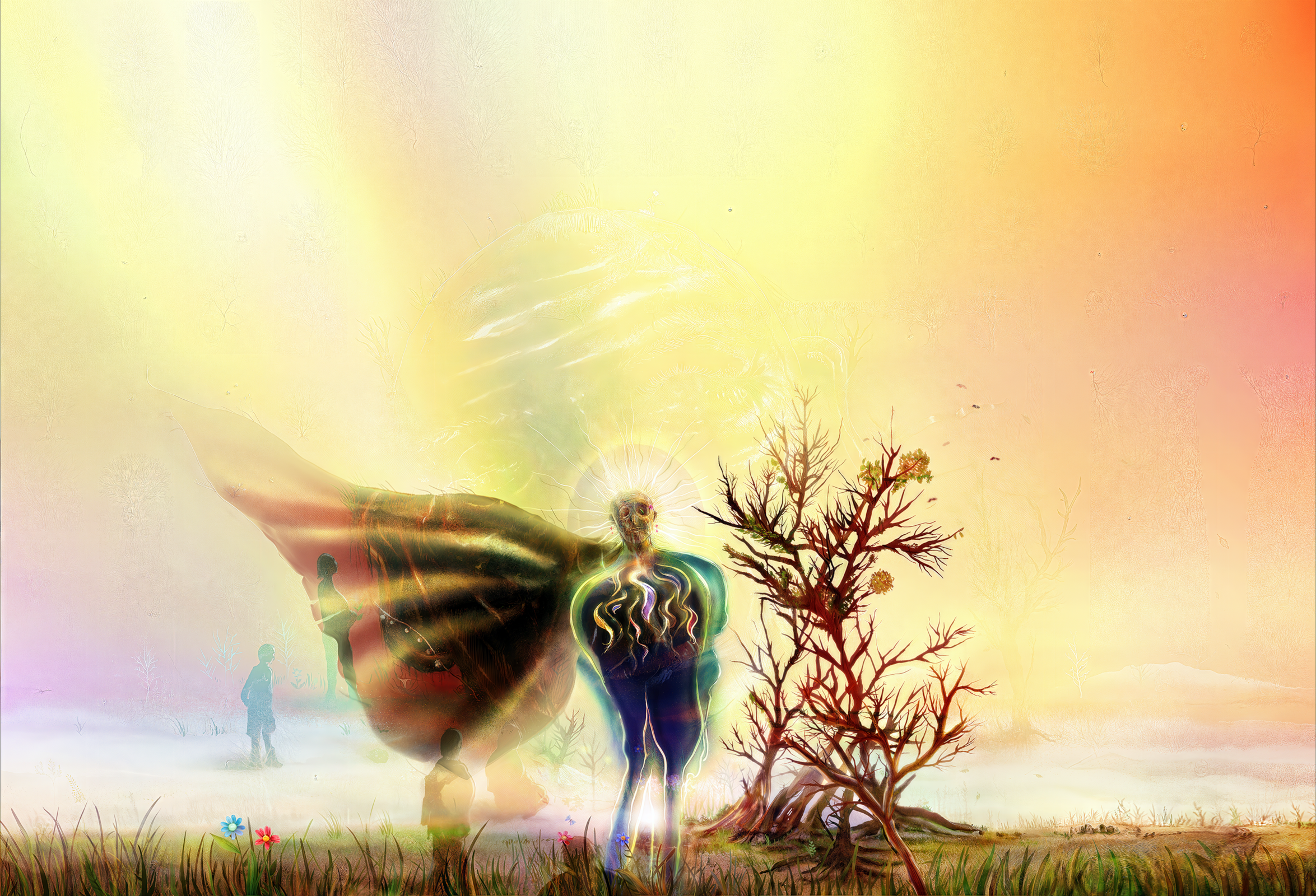
Chagall Taught Me How to Drive
Through the Chevy rumble of a borrowed car,
we waited for her baby to be born,
our nights sliding under the tires like a Chagall
painting of the wedding couple floating above town.
The beautiful breasts of my girlfriend
like frosting on a wedding cake. She steered me
blindly across the road with one hand,
avoiding a levitating fiddler, Chagall himself
standing on the side of the road, showing us
he had seven fingers to paint faster.
My girlfriend was pregnant and she taught me
how to drive, her cheekbones pressed against my shoulder.
When I strayed out of my lane, she said to keep left,
pretending the faded white line was a child.
I hadn’t fathered the road or the baby inside her.
Nor would we ever float loose above wooden fences,
pass through a window into Paris.
She didn’t want to birth her baby alone:
her belly barely fit behind the steering wheel.
I drove thirty miles per hour, slowing down
for peasants who were dancing in the road,
thinking they must be from Belarus, where
Chagall first painted on stained glass:
these ghosts from his past now stared at us.
We were headed for the beach in our borrowed Chevy.
The trees waited for us to find them human,
as they stood one after another, with their arms raised.
I counted them along the road until one bent in heartache,
and this was where we turned off for the shore.
Bad Weather
I want to know
when the snow will stop
because my senses
tell me it’s never going to
for that sky seems
full and gray and permanent
and the white, flaky downpour
feels enduring,
setting in like arthritis
or gloom,
and I know how it gets
more difficult to grin
in those brutally exposed times
of pain and bitterness
and I figure worlds too
must, at some point,
find the effort not worth it,
the clear sky,
creamy yellow sun,
a deft balancing act
that gets tougher and tougher
to hold together
with each passing year
so I call a friend
on this dark winter night,
not to confirm
what it’s doing outside
or in here or anywhere
been or to come,
but to hear that
maybe somewhere, somehow,
in the glimmer of words,
in the tone of a voice,
it doesn’t have to be
about the weather.
Near Summer
I finally understood Tom Petty
laying atop the art building
as college cop lights
dashed across canvas under
streetlights and stars.
The roof was wet and
the winds were cold
but fireball kept us warm
since we hadn’t graduated
to those harder proofs.
This was enough evidence
tonight was the dawn while
six more semesters sat
chilling in the dorms.
I walked back for refills
with just the dirt on
my clothes only to scale
the walls again and see
her breath chug across
the other side of campus.
She left the bottle with
a swig and I finished it
yet didn’t feel empty.
Even the losers get lucky
sometimes and this loser
found out sometimes
wasn’t tonight, but Tom knew
that sometime could be soon.
Crabs and Pines
When we moved here, the crab
tree flowered like a sculpted ball
on a stick, and the contorted pine
seemed straight out of Horton-ville.
We have pruners; we don’t use
them much. Fourteen years,
and the crab pokes at the sun
porch roof, autumn star clematis
winds through her branches,
the contorted pine bends
his back, thrusts his arms into the crab
canopy, peering through the foliage
like a professor, searching for tree
frogs who begin chirping at dusk.
Call to Dinner
The woman’s body moves
through the kitchen,
calls others wordlessly to dinner,
like the boy daydreaming by the brown pond,
with dusk coming on,
examining a tiny leaf
as if he’s grasping the whole tree,
and the little girl running
through the field
before darkness snatches the ground out
from under her
and the older boy
rubbing the fine long head
of his mule,
his face full of farm smudges
and the farmer himself,
dragging his body home
like an old wagon,
while the boy makes
a sudden grab for a frog
with his net
and the girl bursts through the gate
as the older boy considers
all that will be his some day
though at night, he knows.
it belongs to the moon and stars
and she stares out the window
at her flock coming together
in the last cringe of daylight,
praying one doesn’t bring a frog home
and a second doesn’t fall
and bruise her knee
and a third is sure that the life
laid out for him
is really the one he wants
and a fourth
who knows nothing but the land,
who may as well have been
found one day in its rich, vital soil
like Moses in the bulrushes
than born in some hospital,
who’s seldom seen
without some implement in his hand
or in the saddle of a tractor,
for this is her canvas
and she has nothing else to compare it to,
and yet, in the sinking sun,
it still rivets her attention,
in her weathered heart,
it bears up all needs,
and her mind, that soundless bell
tolls this family back to her,
in these relentless darker shades of day.
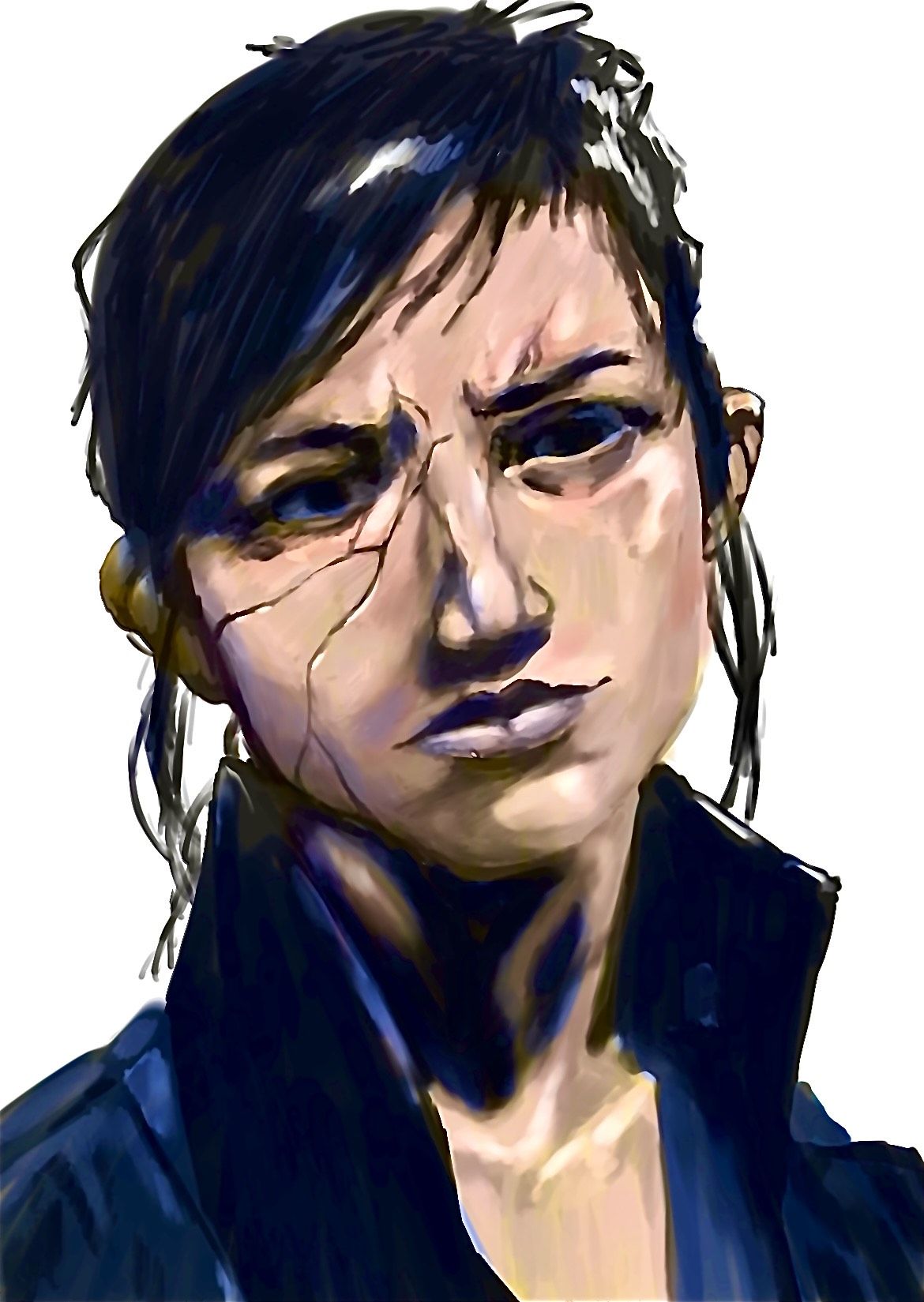
Daughter of Slovakia
She wore a bright
blue apron and
faded red
handkerchief
in her hair.
She fed the chickens
on a dusty field
outside Bratislava.
As the hot sun
beat down upon
her, she wiped
her brow.
She walked to the
village every day to
buy a fresh loaf
of bread to feed
her family.
In the evening, she
drank plum brandy
and danced to
jubilant folk
music with her
husband.
The lines around
her eyes creased
when she smiled.
She laughed a
hearty laugh.
Her eyes twinkled
with mischief and
with unspoken
dreams.